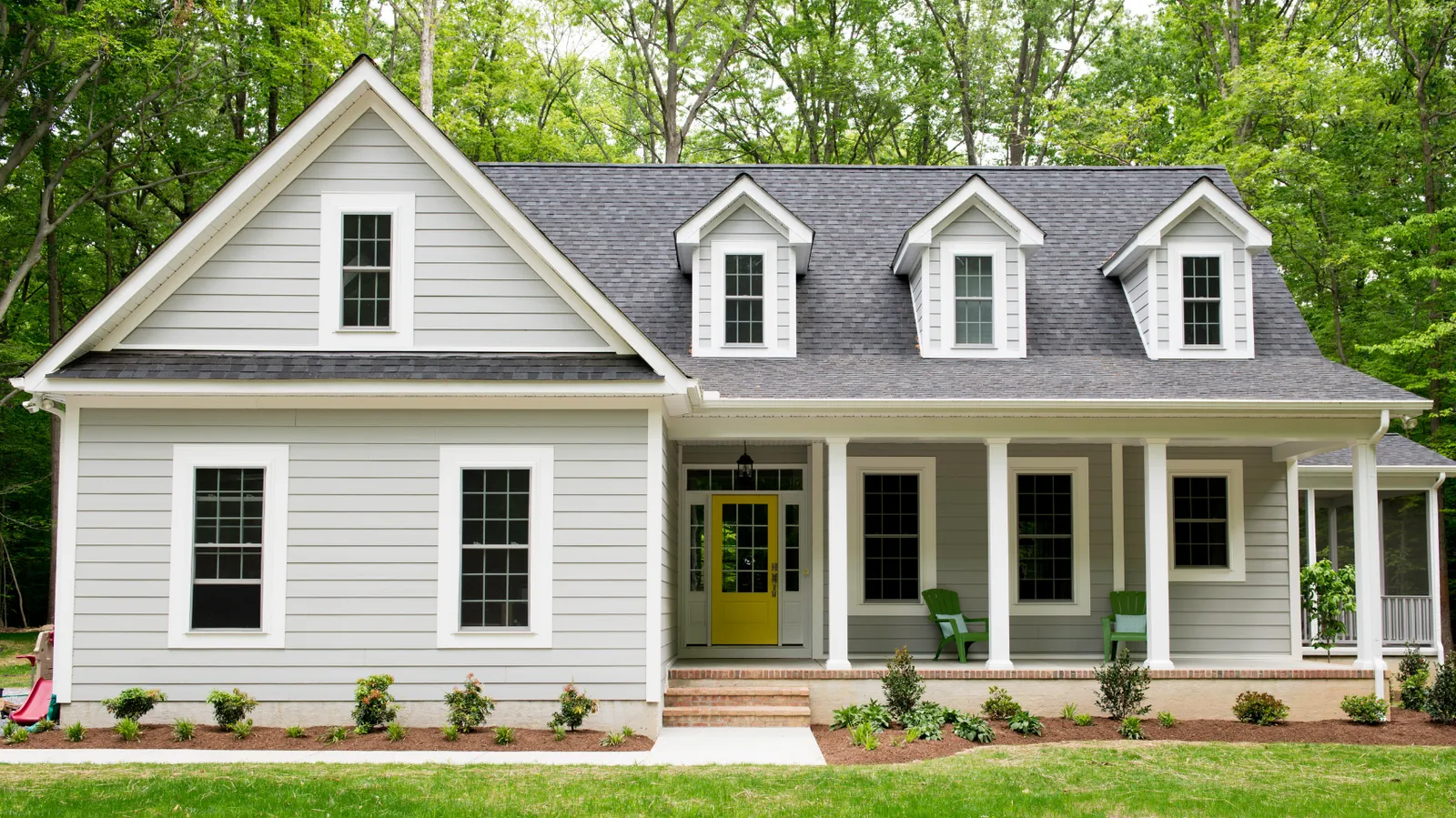
Metal Roofing in The Colony, TX
A hailstorm that finishes a shingle roof leaves a steel one dimpled and still draining. A local roofer picks the profile and gauge for the house and sets one written figure before ordering panels.
- A quote with no pressure to sign
- The work booked around your schedule
- A written call, not a sales pitch
Call (469) 234-3704
In hail country, steel takes the hit differently
Near Sanger, Denton County logged a 5.90-inch hailstone, bigger than a grapefruit, the kind that writes off a shingle roof. Drop that stone on steel and you get a dent, not a puncture, so a season that guts shingle leaves metal draining. On the lake side, that gap is why metal enters.
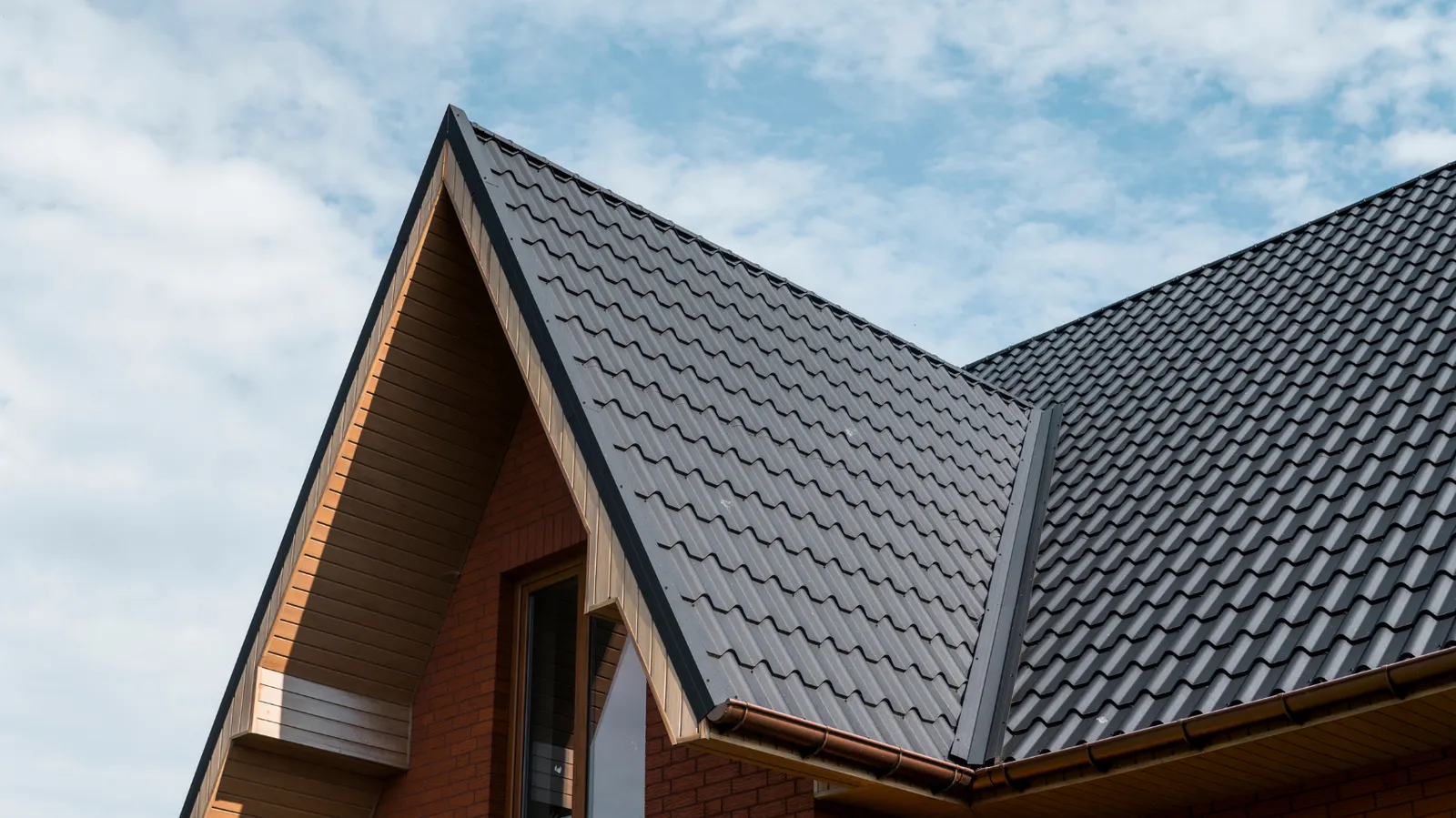
Standing-seam hides every fastener under the raised, locking ribs, so nothing works loose, and forty to seventy years is routine. On paper a roofer nails down the gauge, the panel profile, and the baked-on coating, at two to three times a shingle roof; the materials guide ranks it.
Four lines our roofers write into the spec
The choices that decide whether metal lasts, each one named on paper.
- 01Panel choice: hidden seam or exposed screw
- Standing-seam hides its fasteners beneath the ribs, the longest-lasting watertight setup you can buy; screw-down keeps them out in the open and needs a fresh gasket about every ten years. A roofer will name which one suits your roof plainly.
- 02Gauge and finish, named not glossed
- Thicker steel absorbs a hailstone and pops back, and a factory-baked finish keeps its color running decades, so leaving either one fuzzy on the estimate is a mistake. A lowball metal bid hides its shortcuts precisely there: skinny gauge under a bargain-grade coat.
- 03Underlayment laid over decking that passes
- A high-temp membrane goes down over decking that has been walked for soft spots, the buried layer that muffles rain and pads the seams underneath. Any soft board gets torn out and swapped before a single panel lands on it.
- 04Every penetration flashed to the profile
- Walls, chimneys, and vents each get flashing bent to the panel profile, which is the very corner a rushed metal crew cuts first.
Stuck deciding between a metal roof and another round of shingles? A free inspection looks over your real roofline and stands the two options next to each other before any serious money moves.
From tape to capped ridge
Measure and spec, dry-in, then seam and cap, with each stage photographed.
Measured before a panel is ordered
A roofer runs a tape over the roof, checks the slope, and locks in panel, gauge, and coating, then comes back with one firm figure before any steel is on order.
Membrane down, then the panels climb the roof
Once the deck reads solid, the high-temp membrane rolls out, the panels go up slope by slope, and each seam locks tight so nothing fastens through the face and no water can track underneath.
Flashed tight, ridge capped, and put on file
Each penetration is sealed tight against the profile, ridge and edge lines get trimmed and closed with cap, and a shot of the completed roof goes in your file, giving the manufacturer coverage a documented record behind it.
The roofs and timelines metal actually suits
A short read on whether the extra spend earns out for you.
- You are here for the long haul, and a roof rated forty years will recoup its cost on your watch
- You are tired of replacing shingles every twenty years or so each time Denton County hail comes around
- Yours is one of the newer custom builds out by The Tribute or Austin Ranch, where crisp vertical seams match the architecture
- You would rather a roof that meets a hailstorm with a dimple at worst, never a puncture
- You are putting up a new house on the peninsula and would sooner settle the roof one time, right at the deck, and forget it
On a free inspection a roofer will lay it out plainly: does your roofline and how long you are staying favor metal, or is a Class 4 shingle built to take impact the sharper buy.
A high sticker, a low cost per year
Standing-seam generally runs from about $820 to $1,470 per square once tear-off is folded in, so a typical roof here at 22 to 24 squares comes out somewhere near $19,700 to $35,300. Read those as rough brackets, not a quote; the firm figure only lands once a roofer has walked and measured the roof.
Where it comes back around is the long view: a single metal roof outlasts several shingle ones, which drops its true cost per year about as far as roofing gets. Honest local ranges by material are broken out in the cost guide.
See clear cost ranges- Installs at roughly double to triple a shingle roof
- Among the cheapest per-year of any roof, since one outlasts several
- What you pick for gauge, profile, and finish drives the cost above all
- Never bargain-hunt the seaming labor; one poor install wastes the entire outlay
How steel answers hail, wind, and the July sun
Out on the peninsula, hail and stiff gusts blow in off open water with nothing in their way, so the first question is how well a roof absorbs a blow. The hail that leaves a shingle pocked and shorn of granules usually costs a metal panel no more than a dimple, which is why standing-seam rides out storms that age shingle early.
Where a roof is up for a full replacement, going metal may well be the last re-roof this house sees.
- 01Cooler under the summer sun
- A factory-baked reflective coat bounces the harsh North Texas sun off the roof and lightens the cooling bill.
- 02Quieter than the myth
- Set on a solid deck with full underlayment, rain on metal registers about like rain on shingle from indoors.
Still weighing metal against one more shingle roof? A roofer puts both side by side on your actual roofline so the choice shows clearly, with no push in either direction.
What homeowners turn over before going with steel
The questions that come up before the panels go on.
Q1Is metal really worth the money on a home here?
Q2Can our hail actually dent a metal panel?
Q3How much more than shingle does metal run?
Q4Will a metal roof be loud when it pours?
Q5On a house, which panel makes more sense?
Q6Might impact-rated metal lower my insurance cost?
A free read sets metal beside shingle
Metal pays off on certain roofs and certain timelines and falls short on others. A roofer looks over yours, sets the gauge and profile options against a matching shingle job, and hands you the numbers. No charge for stopping by, and no thumb on the scale.