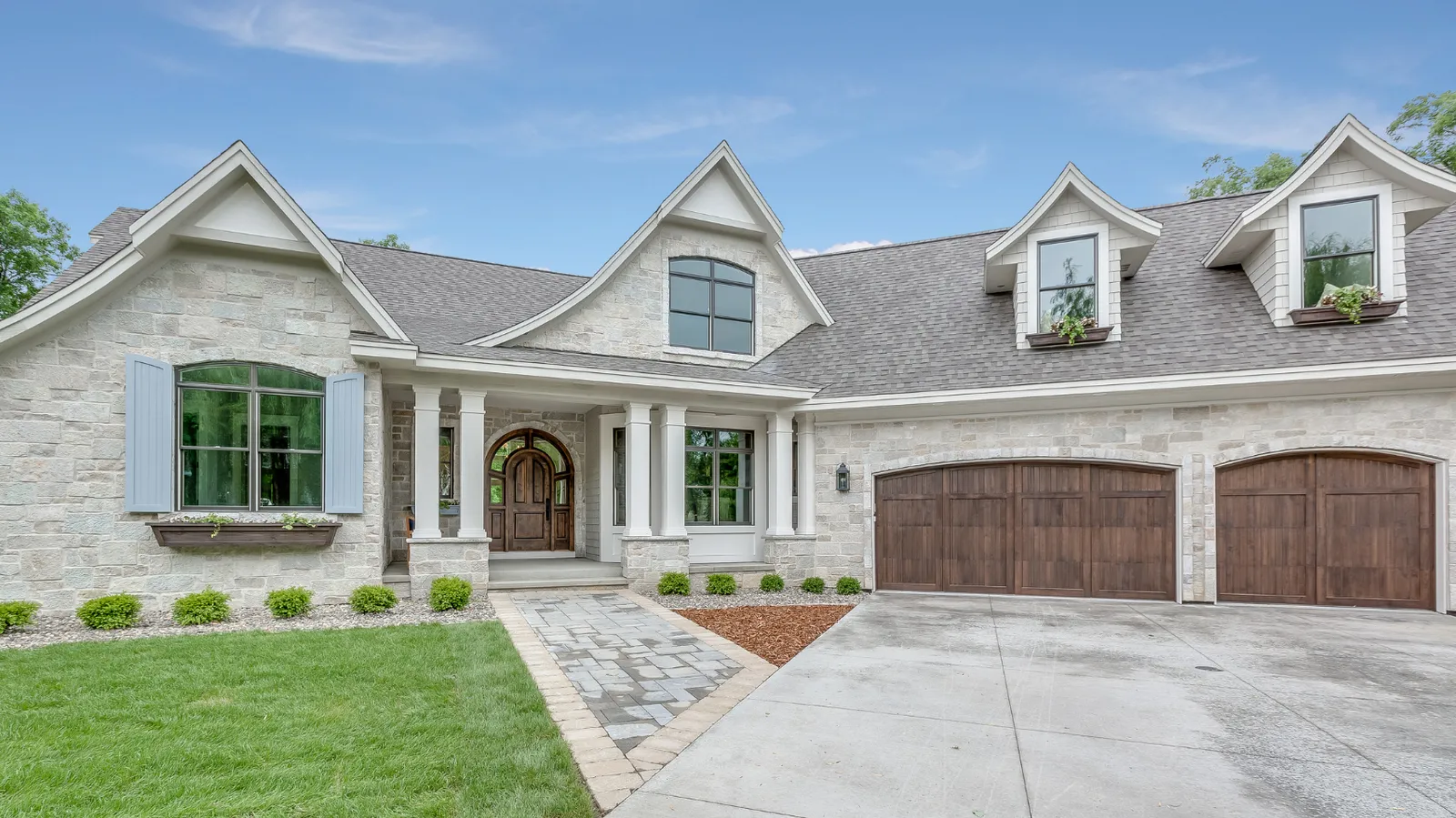
Roof Replacement in The Colony, TX
Denton County logged 33 hail days in four years, so on a roof open to Lewisville Lake the storm count, not the calendar, brings a replacement forward. A local roofer reads the field before tear-off.
- A quote with no pressure to sign
- The work booked around your schedule
- A written call, not a sales pitch
Call (469) 234-3704
The decking decides how a lake-edge replacement is built
A late-1970s core sits near Lewisville Lake, 1990s and 2000s streets spread from it, and the 2010s Tribute blocks reach the peninsula, all in open-water wind and Denton County hail. So replacement is never one answer: an Original Town roof is often out of years, a lake-facing Tribute roof storm-worn early.
A local roofer reads the bare deck once the old field is off and lets what shows there drive the plan. Whether a roof is one traceable repair or a field at its end is called on the roof; the cost guide lays out ranges by material.
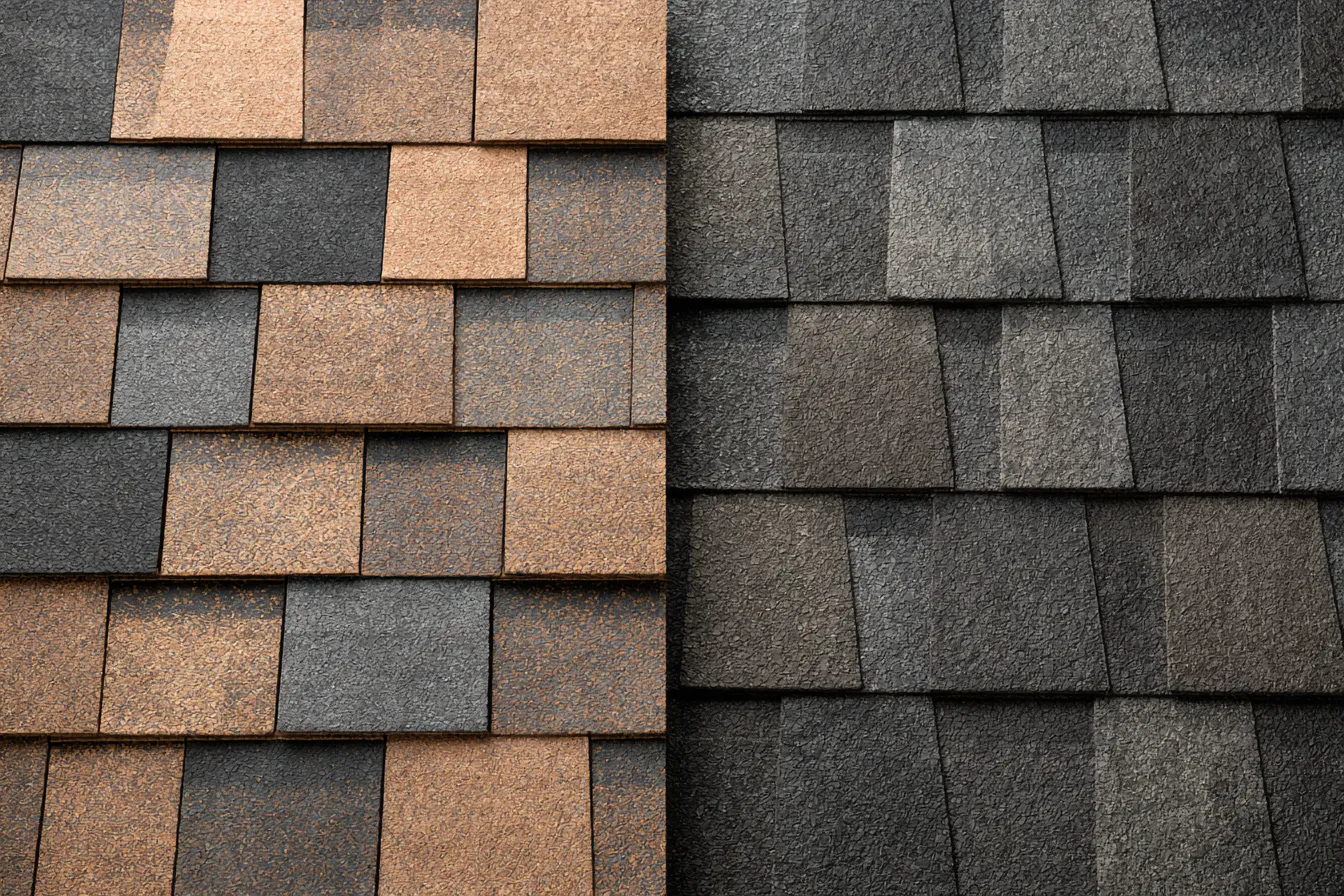
The parts of a replacement, priced in the open
Five line items, each one read on the open deck before it is covered and billed.
- 01The old roof, taken to the wood
- Nothing new goes over anything old: every layer, shingles and underlayment both, comes down to the plywood first. A roof built on top of a spent one only hides the wear a homeowner is trying to pay their way out of, and on a wind-exposed lake lot it would bury storm damage the new field is meant to end.
- 02Soft sheets caught on the open deck
- With the plywood bare, a local roofer walks and probes it sheet by sheet, pulling any panel gone spongy, split, or dark with an old soak. A lake-side deck sees more wind-driven rain than most, so this is where a slow, hidden leak finally gets found and swapped out instead of shingled over again.
- 03A sealed dry-in over the whole deck
- On an open-water lot the dry-in matters as much as the shingles: a full layer of synthetic underlayment goes down first, with a waterproof membrane sealed into the valleys and around every pipe boot. If a shingle ever lifts in a lake gust, that sealed layer is what keeps the plywood dry until it is set right.
- 04Fresh metal at every seam
- Every piece of metal, at the walls, the chimney, the valleys, comes off with the old roof and goes back new. Re-bending yesterday's flashing and sealing it with a bead of caulk is exactly where a next leak tends to open, which on a wind-loaded lake roof is a corner no one should cut.
- 05A new field with the attic set to breathe
- New pipe boots go on with the fresh field, and the attic below gets a balanced ridge-and-soffit path so its hot Texas air keeps moving instead of cooking the shingles from underneath. Vented, the field reaches its rated years; sealed and baking, it gives them back early.
Want the roof read before any of this is priced? A documented inspection puts its real condition on paper first, and shingle types walks what is worth laying back down.
Following the roof from tape to final sweep
Every stage gets its own photo and sign-off, so the file shows the roof at each step, not just the finished shingles.
The tape, before anything moves
A replacement here starts on paper, not on the roof. A local roofer measures every plane, tallies the squares, and hands back a dated schedule with the real work days marked. Most homes in The Colony strip and re-cover inside a day or two once the sky holds, and you are never left guessing which mornings the crew arrives.
Tear-off, then the deck on camera
The old field comes off to the bare wood, and the exposed deck is photographed and graded before anything covers it again. Any soft or storm-soaked sheet is found, shown to you, and priced in the open, so a lake-side deck slow soak surfaces on the estimate, not as a line you never saw coming.
Dry-in first, field second
Before a single shingle, the waterproof dry-in and fresh flashing close up the bare deck; the field, ridge, and vents only go on after. That sequence pays off on a lake lot, where the sealed layer keeps a gust-driven rain off the wood through the hours the roof is still open.
Swept, checked, and filed
When the field is on, the yard is run end to end with a magnet for stray nails, the finished roof is walked plane by plane, and the workmanship and manufacturer warranty paperwork lands in a file that stays with the homeowner. The record of the job is yours to keep, storm claim or resale, whatever comes next.
What tells our roofers the whole field is spent
Any one of these can point to a field that is finished, not a single slope that needs a patch.
- Twenty years or more on the roof, or an original late-1970s Original Town or older Eastvale roof that has never once been replaced
- A totaled roof after a hail or wind claim, where the carrier has agreed to fund a replacement instead of a repair
- The whole field has shed its grit, not just one face: shiny bald spots, darker worn patches, and a gutter that fills with granules after a storm
- Decking gone spongy and soft between the rafters, with the attic sheathing damp to the touch
- Daylight showing between the deck boards when you look up from the attic
- More than one room showing a leak at once, or a patched spot that dries before a fresh stain blooms nearby
Still weighing a patch against a full tear-off? A documented inspection settles it on camera, plane by plane. When a storm is behind it, storm damage covers dating the hits for a claim.
Where a new roof lands by material
Two things set a replacement price in The Colony: the shingle a homeowner chooses and whatever the tear-off turns up under the old roof.
Architectural asphalt runs roughly $410 to $690 a square, an impact-rated Class 4 shingle about $500 to $780, designer lines $550 to $960, and standing-seam metal $820 to $1,470. Where a roof lands inside those ranges comes down to the material and the condition of the deck once it is bare. These are area planning figures, not a quote; the real number is written down only after a local roofer measures the roof and reads the bare deck.
Open the cost guide- Quoted by the square (100 sq ft); a bigger lake-side or Tribute roof carries more squares to pay for
- Architectural asphalt about $410 to $690 per square; a Class 4 impact shingle at $500 to $780
- Designer profiles and standing-seam metal cost more up front and last longer
- Bad decking is a per-sheet add, shown on the open deck and signed off before the new roof hides it
Open water pulls a lake-side roof due before its warranty
Open water off Lewisville Lake changes the math on a Colony roof: wind-driven rain and Denton County hail reach a peninsula near full force.
Homes here run from the late-1970s Original Town core to the 2010s Tribute streets, so some roofs age out on the calendar while lake-facing ones wear early. A local roofer reads whether a field has real life left or has crossed into replacement before a shingle is touched.
- 01Open-water exposure on the peninsula
- The Tribute and Stewart Peninsula reach into the lake, where wind and hail hit unsoftened.
- 02The oldest streets, due on the calendar
- Original Town and parts of Eastvale hold the city's late-1970s and 80s roofs, the oldest in town.
- 03One correct tear-off beats a third patch
- When a lake-worn field is finished, one clean tear-off outlasts more patching.
Not certain a lake-worn roof is truly done? A documented inspection reads every plane and hands back a clear repair-or-replace answer before anything is quoted.
What to settle before a tear-off
The questions The Colony owners ask a roofer before the crew is booked.
Q1Does sitting on Lewisville Lake change how a roof gets replaced here?
Q2My Tribute home is barely fifteen years old. Can it really be due?
Q3Will insurance pay for a full replacement after a Denton County hailstorm?
Q4Can a new roof just go over the old shingles to save on the tear-off?
Q5The house is an Original Town original. What happens if the deck underneath is rotten?
Q6Out by the lake, are impact-rated or metal roofs worth the extra?
A full roof replacement in The Colony, put in writing first
A roof at the end of its run deserves a full plan on paper before the first shingle is pulled, not a number shouted from the driveway. A local roofer measures every plane, reads the bare deck, and lays the sequence out as one honest figure, replace or repair, with nothing owed for the visit. The Colony Roofing Experts is where that plan begins.